


Key Takeaways
- The Selection: Learn how to inquire about mash bills, aging processes, and distillery origins to better understand the liquid in your glass.
- The Setting: Discover why asking about glassware, serving temperatures, and water dilution can drastically alter your sensory experience.
- Staff Knowledge: Find out how to tap into the bartender’s personal expertise to uncover rare pours and hidden gems on the menu.
- The Overall Experience: Master the art of the tasting flight by asking about proper sequencing, palate cleansers, and ideal food pairings.
Whether you are sampling rare bourbons, small-batch rums, or artisanal gins, the person pouring your drink holds a wealth of knowledge that can completely transform how you perceive each glass. However, to unlock this treasure trove of information, you need to know exactly how to guide the conversation.
By asking thoughtful, targeted questions about the selection, setting, and craftsmanship behind the spirits, you can elevate a standard night out into a masterclass in mixology and distillation, deepening your appreciation for every drop in your glass and ensuring you leave with a much more refined palate.
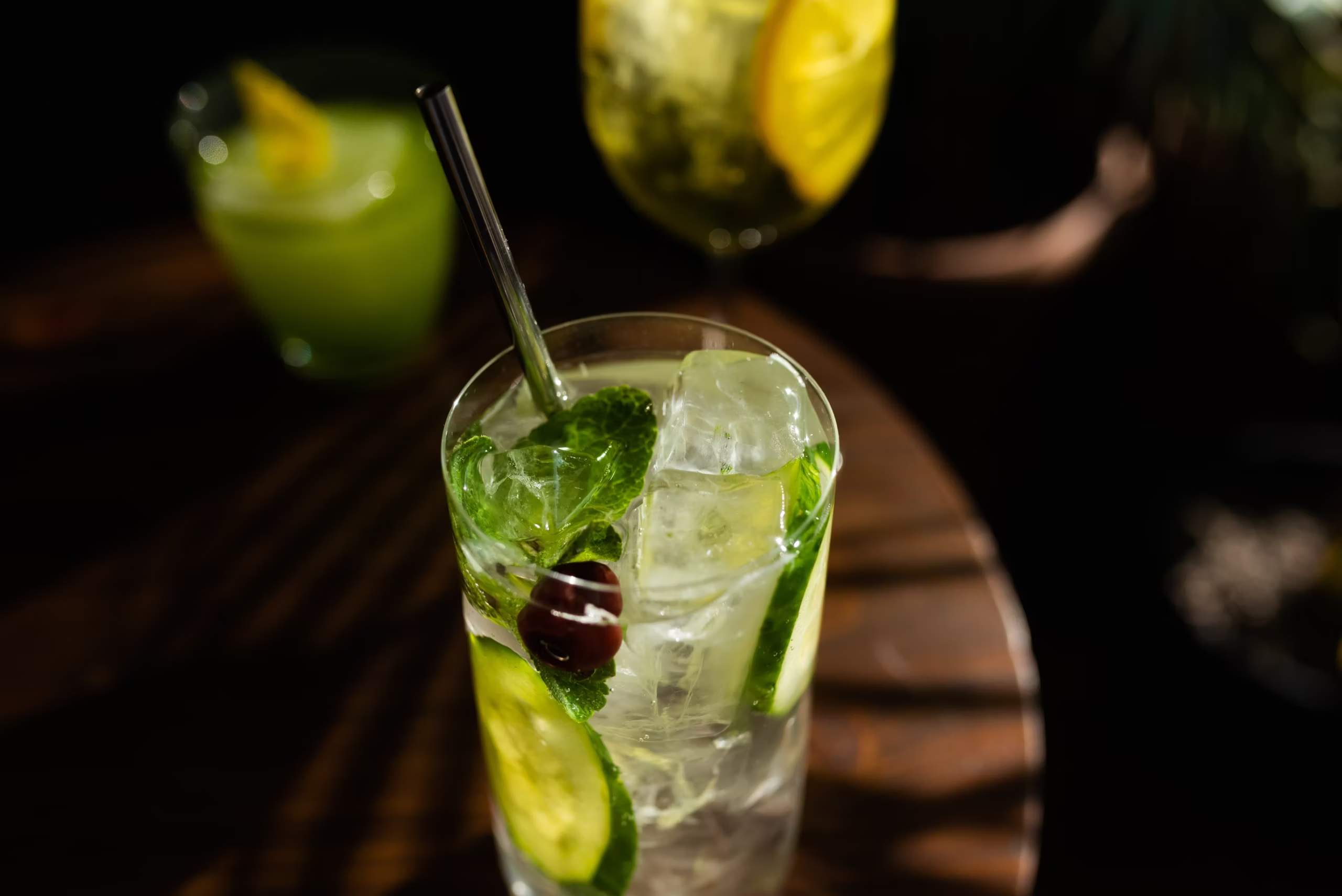
Checking out the Selection: What’s in the Bottle?
The foundation of any great tasting lies in the selection of the spirits themselves. A beautifully backlit back bar can be intimidating, featuring hundreds of bottles with varying labels, ages, and origins. An expert bartender can act as your personal guide through this labyrinth, provided you ask the right questions about the core characteristics of the spirits. To truly understand what you are drinking, consider posing the following questions:
- “What is the mash bill or base ingredient of this spirit?”
For whiskey, the mash bill—the specific ratio of grains like corn, rye, wheat, and malted barley—dictates the fundamental flavor profile before the liquid ever touches a barrel. A high-rye bourbon will have a distinct, spicy, and herbaceous kick, while a wheated bourbon will be noticeably softer, sweeter, and more approachable on the palate. Understanding exactly what went into the fermenter helps you map out the initial flavors you are experiencing and gives you a baseline for comparing different pours.
- “How long did this spirit spend in the barrel, and what kind of cask was used?”
Age statements are always fascinating, but the type of wood and its previous contents are often even more important to the final flavor. Was the spirit aged in newly charred American white oak, which imparts heavy vanilla and caramel notes, or did it rest in an ex-sherry or port cask? A knowledgeable bartender will happily explain how a secondary finishing process in a Pedro Ximénez sherry cask introduces rich notes of dark fruits, figs, and chocolate. Furthermore, they can explain how a seaside distillery’s porous aging warehouse might introduce a subtle, earthy maritime salinity to the final product.
- “What is the story behind this distiller or brand?”
This question provides brilliant, necessary context. Many boutique spirits have fascinating backstories involving centuries-old family recipes, wild yeast strains, or highly experimental modern distillation techniques. Knowing the history and philosophy behind the bottle connects you emotionally to the craft. It changes the drink from a simple beverage into a piece of liquid history, making the tasting a far more memorable and engaging experience.
Setting the Scene: Glassware, Temperature, and Atmosphere
The physical environment and the specialized tools used during a tasting play a massive role in how a spirit presents itself. The setting is not just about the ambient lighting or the music in the room; it is about the micro-environment created within your glass. To maximize your sensory intake, focus on these inquiries:
“Why did you choose this specific glassware for this pour?”
You will quickly learn that glassware at a premium establishment is never chosen at random. A Glencairn glass, with its wide, bulbous bowl and narrow, tapered neck, is engineered specifically to concentrate volatile aromatic compounds, funneling the intricate scents directly to your nose while keeping the harsh alcohol fumes at bay. A standard rocks glass or tumbler, on the other hand, allows vapors to dissipate much more quickly. By asking this, you learn how the physical shape of your cup actively alters your perception of the drink’s nose and finish.
“Should I be tasting this neat, or would you recommend adding a few drops of water?”
Temperature and dilution are highly debated but critical components of the tasting setting. High-proof, cask-strength whiskies can sometimes overwhelm the palate with a raw alcohol burn, numbing your taste buds to the subtleties underneath. A skilled bartender will often suggest adding a few drops of room-temperature water. This chemical reaction breaks the surface tension of the spirit, releasing dormant oils and esters that dramatically open up the flavor profile. Having the subtle mechanics of a whisky tasting explained in a practical setting helps you grasp the foundational elements of sensory evaluation without feeling overwhelmed by technical jargon.
“How does the ambient temperature affect this specific spirit?”
Sometimes, the warmth of your hand on a brandy snifter or the ambient chill of the room can change the viscosity and flavor release of the liquor. A great bartender can walk you through how warming a spirit slightly can emphasize sweeter, heavier notes, while a slight chill might bring out crisp, botanical elements.
Evaluating Staff Knowledge: Tapping into the Bartender’s Expertise
When you sit down at a premium whiskey bar in Seattle, the person behind the counter is not just a pourer; they are a passionate, highly educated curator. Bartenders at high-end establishments spend countless hours studying mash bills, attending brand seminars, and participating in private barrel selections. To get the most out of your visit, you must tap into their subjective knowledge and personal enthusiasm.
“What is your personal favorite pour on the menu right now, and why?”
This is a fantastic icebreaker that immediately strips away formal pretense. It allows the bartender to share something they are genuinely excited about. Often, their favorite bottle isn’t the most expensive one on the top shelf with the recognizable marketing campaign; it is usually a hidden gem, an under-the-radar independent bottler, or a highly specific vintage that is currently drinking exceptionally well.
“If I normally enjoy [Brand X], what is something lesser-known that you would recommend I try today?”
This question effectively tests their depth of knowledge and palate mapping. It forces the bartender to mentally analyze the specific flavor profile you enjoy—perhaps a sweet, approachable bourbon or a heavily peated Scotch—and cross-reference it with their extensive inventory. It demonstrates their ability to guide your palate rather than just taking an order, ensuring that you discover something entirely new that still perfectly aligns with your established tastes.
“Are there any limited releases or private barrel picks available tonight?”
Establishments that take their spirits seriously often collaborate with distilleries to bottle exclusive single barrels. Asking this question shows the bartender that you are an enthusiast looking for a truly unique experience that cannot be replicated anywhere else.
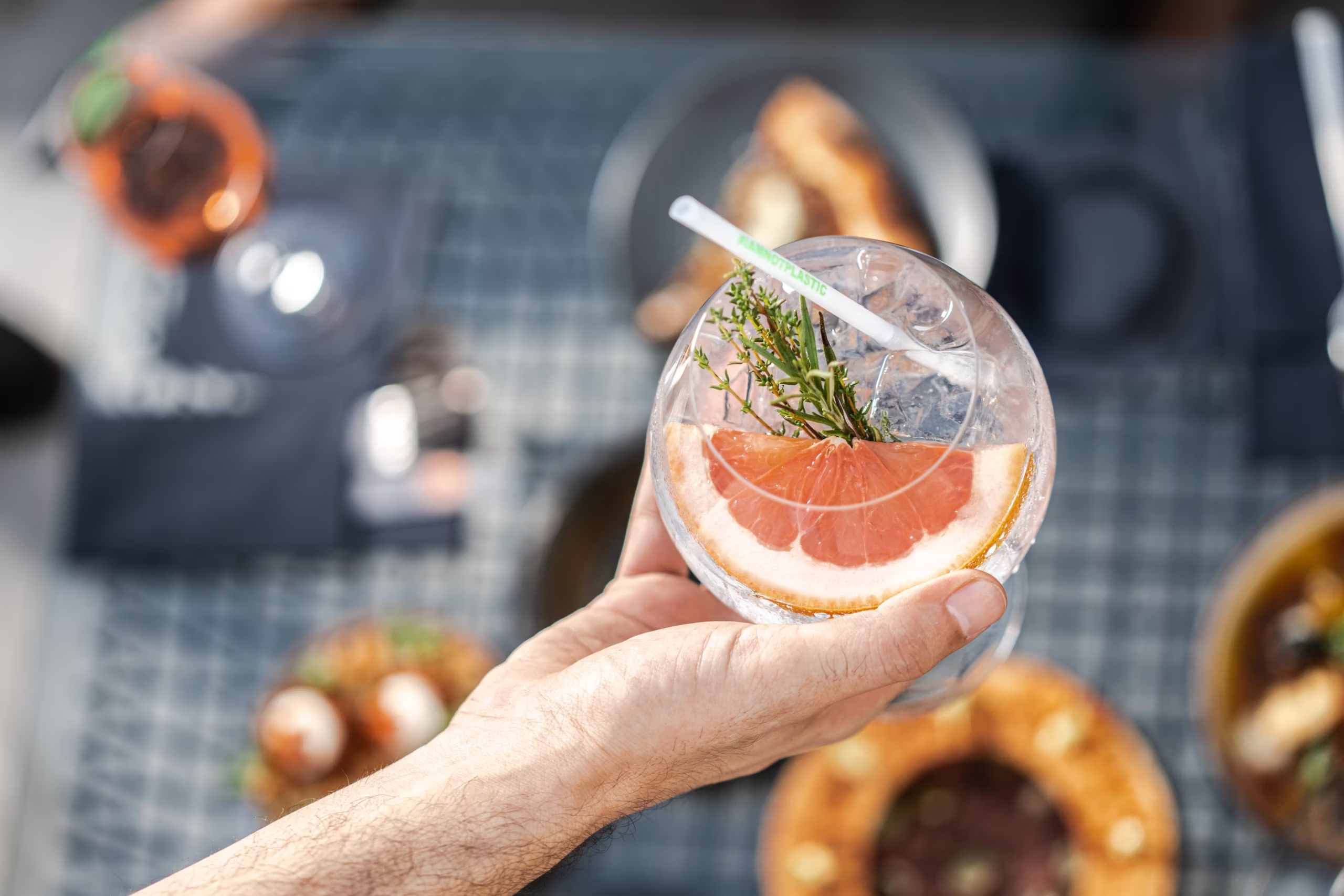
Curating the Overall Experience: Flights, Pairings, and Progression
A tasting is not just about isolated sips; it is about the journey from the first glass to the last. The overall experience must be carefully structured so that your palate is not overwhelmed or fatigued too early in the session. An expert bartender knows exactly how to curate this progression, but they need your active input to tailor it perfectly to your tolerance and preferences.
“How should I sequence this tasting flight?”
The golden rule of tasting is generally to move from the lightest, lowest-proof, and most delicate spirits to the heaviest, highest-proof, and most robust. If you start your flight with a heavily peated Islay Scotch, its intense, smoky phenols will completely coat your tongue. This makes it virtually impossible to taste the subtle vanilla, honey, and floral notes of a delicate Japanese whisky or a light Irish whiskey served immediately afterward. Your bartender will help you map a route that builds gradually in intensity. Should you ever want to customize a drink menu for your private event, understanding how to map out this progression ensures your guests have an unforgettable sensory journey from start to finish.
“What is the best way to reset my palate between these pours?”
Palate fatigue is a real issue during a long tasting. While sipping room-temperature water is standard practice, some experts might recommend taking a bite of a plain water cracker to neutralize lingering flavors, or even smelling fresh coffee beans to reset olfactory fatigue if you are nosing highly aromatic spirits.
“Are there any specific food pairings you recommend to elevate these notes?”
Do not forget the culinary aspect of the experience. Asking about food pairings can turn a good tasting into an extraordinary one. The fat in a piece of high-quality dark chocolate or cured charcuterie can perfectly bind with the harsh tannins in an older, heavily oaked spirit, completely altering and softening the finish.
Ready to put your newly acquired tasting knowledge to the ultimate test? Plan your next unforgettable evening out or private gathering at The Diller Room. Visit our location between the Market and Pioneer Square, at 1224 1st Ave, Seattle. Or get in touch with us by emailing [email protected] or dialing 206-467-4042.
