


A drink menu is a core part of your event’s theme and hospitality. It serves as a tool to welcome guests and set the mood for the gathering. Moving beyond standard offerings ensures every glass served feels intentional. Customization creates a bridge between the host’s vision and the attendee’s comfort.
Tailoring your beverage list offers major perks like better cost control and a higher guest experience. It limits waste by focusing on specific ingredients rather than a massive, unused inventory. Unique drinks also provide visual appeal for social media sharing. You will find tips here on balancing variety, calculating volumes, and adding personal flair to your bespoke cocktail list.
Know Your Audience & Occasion
Successful event beverage planning starts with understanding who is in the room. You must align the alcohol content and flavor profiles with the demographics of your guests. A morning corporate brunch requires a different approach than a late-night wedding reception. Consider these factors to ensure your bar hits the mark.
- Demographic Preferences
Assess the age range and tastes of your attendees. Older crowds might prefer classic spirits or premium wines, while younger groups often lean toward trendy customized mixology or craft beers. Understanding these trends prevents you from overstocking items that will sit untouched throughout the entire night.
- Duration and Timing
The length of your party dictates how much people drink. Statistics from the Canadian Centre on Substance Use and Addiction (CCSA) suggest that moderate consumption is key for safety. Plan for roughly two drinks per person during the first hour and one drink every hour afterward.
- Theme Integration
Match your liquid offerings to the visual style of the venue. A rustic outdoor party calls for punch bowls or local ciders, whereas a black-tie gala demands elegant glassware and sophisticated personalized drink menus. This consistency makes the event feel unified and professional to every person attending.
- Non-Alcoholic Inclusion
Data shows a massive rise in the demand for sophisticated mocktails. Ensure at least 20% of your menu features high-quality alcohol-free options. Using fresh juices and house-made syrups allows guests who are not drinking to feel included in the premium beverage catering experience.
Selecting Your “Signature” Drinks
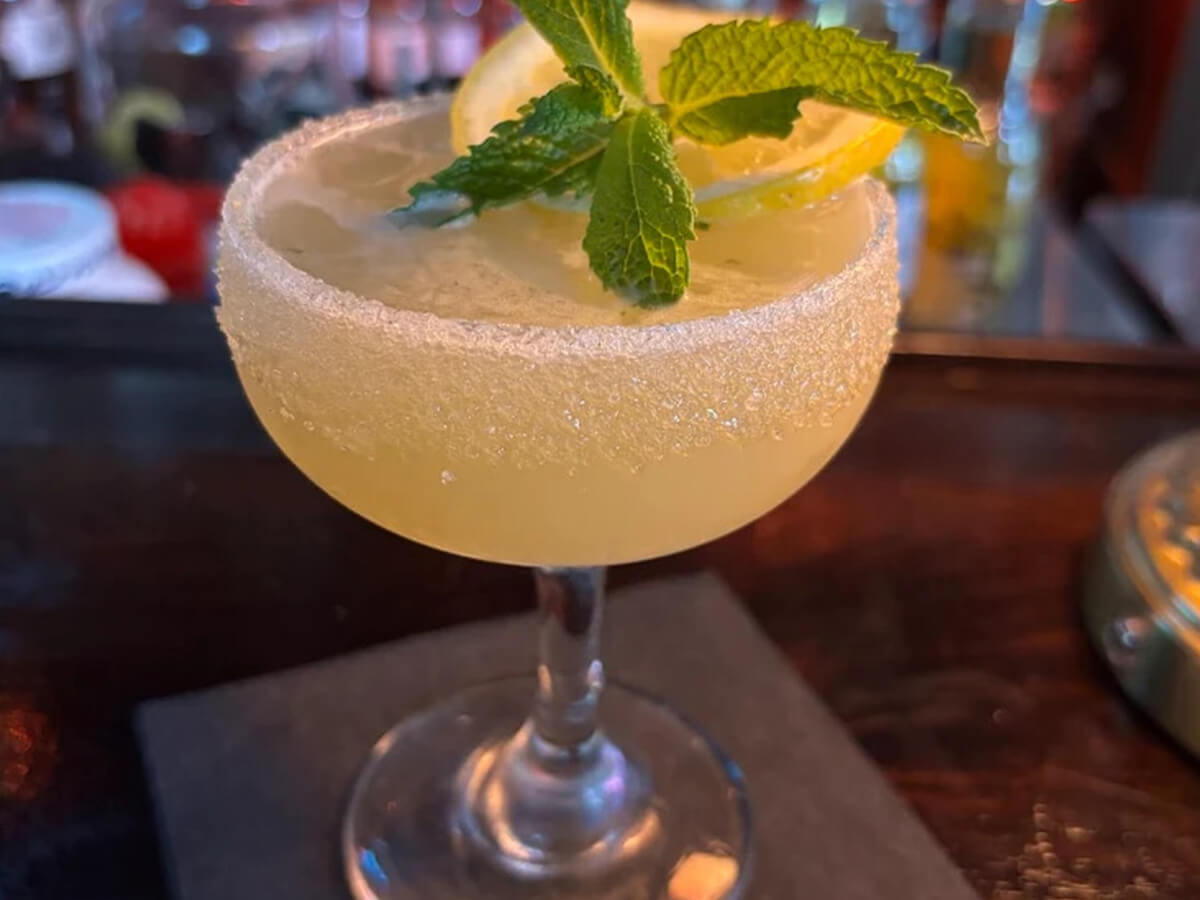
The signature cocktail selection is the highlight of any private bar. These drinks tell a story and simplify the ordering process for guests. Choosing two or three standout options keeps the line moving at the bar while still providing a sense of luxury and careful curation.
- Flavor Balance
Offer a variety of profiles like one sweet, one sour, and one bitter or spicy option. This ensures that every guest finds something they enjoy regardless of their usual palate. A well-rounded handcrafted drink list caters to diverse tastes without requiring a huge back-bar of different spirits.
- Seasonal Ingredients
Use fruits and herbs that are currently in season to ensure peak freshness. Winter events benefit from warm spices and dark spirits, while summer parties thrive on citrus and light rums. Fresh ingredients improve the quality of the drink and often help reduce the overall bar service costs.
- Spirit Versatility
Pick base spirits that work in multiple ways to keep your inventory lean. A high-quality vodka or gin can be the foundation for several different recipes. This strategy allows your bartenders to work faster and reduces the amount of physical space needed for bottles behind the event drink station.
- Storytelling Elements
Give your drinks names that mean something to the occasion or the host. A drink named after a favorite travel spot or a family pet creates a conversation starter. These small details turn a standard beverage into a memorable part of the private party hospitality that guests will remember.
Logistics: The Practical Side
The success of your curated drink menu depends on the behind-the-scenes work. You need to ensure the bar can actually handle the volume of orders without long wait times. Proper planning prevents common issues like running out of ice or glassware halfway through the night.
- Quantity Calculations
Estimate your needs based on the “one drink per hour” rule of thumb. It is always better to have a 10% buffer of mixers and garnishes. Proper beverage inventory management ensures you don’t run out of essentials like tonic water or fresh limes at the busiest point.
- Staffing Requirements
Hire one bartender for every 50 to 75 guests to keep service efficient. If you are serving complex specialty cocktails, you might need more staff to handle the prep time. Fast service keeps guests happy and prevents a crowd from forming around the bar area all night.
- Glassware and Ice
Account for three pounds of ice per person to cover both chilling and serving. Ensure you have enough glasses for everyone to have at least two or three throughout the event. Using the right glass for your custom drink selection enhances the taste and the visual presentation.
Presentation & Styling
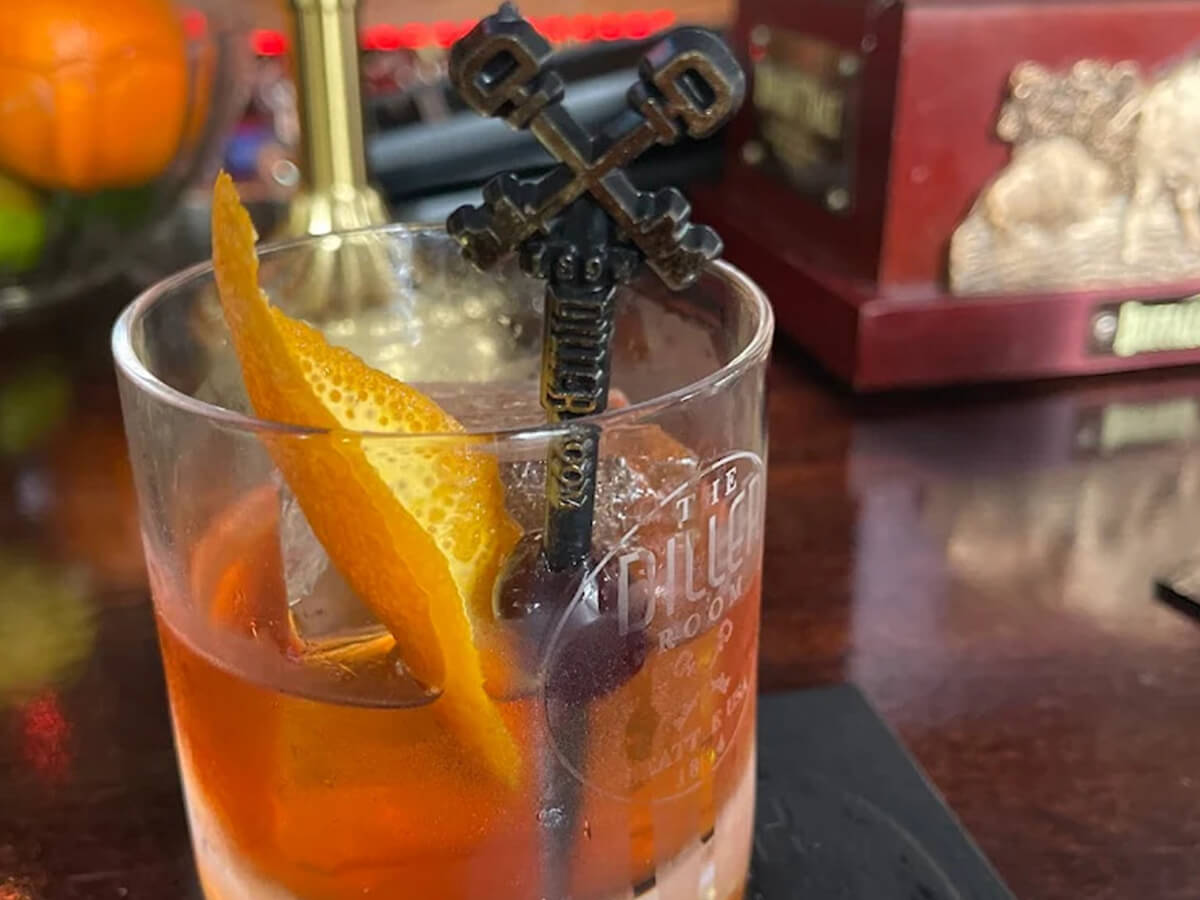
The way a drink looks is just as important as how it tastes. Visual appeal is the first thing a guest notices when they approach the bar. High-quality styling turns a simple refreshment menu into a piece of decor that enhances the overall atmosphere of the room.
- Garnish Excellence
Move beyond basic lemon wedges by using dehydrated fruits, edible flowers, or fresh herbs like rosemary and mint. These additions provide aromatics that change the drinking experience. A beautiful garnish makes your artisan cocktails look professional and high-end, even if the recipe is relatively simple.
- Menu Signage
Display your drink options clearly using framed signs or chalkboards that match your theme. Include the ingredients for each drink so guests with allergies or specific tastes can choose easily. Clear signage speeds up the bar ordering process and acts as a visual guide for the night.
- Bar Décor
Use the physical bar top as a space for styling with candles, floral arrangements, or interesting bottle displays. The bar is often a central hub where people gather, so it should look inviting. A well-styled event bar setup encourages guests to linger and socialize in a comfortable, beautiful environment.
- Interactive Stations
Consider a “build your own” element for things like mimosas or gin and tonics. Providing different syrups and toppings allows guests to participate in the beverage customization process. This adds an entertainment factor to the party and lets people tailor their drinks to their exact sweetness levels.
Creating a custom drink menu is a strategic way to elevate your event. By focusing on your audience, selecting smart signature options, and handling the logistics early, you ensure a smooth experience for everyone. A well-planned bar does more than quench thirst; it fosters connection and adds a layer of professionalism to your hosting.
The right menu balances creativity with practicality to stay within your budget. Focus on quality over quantity to make a lasting impression on your guests. If you need expert help bringing your vision to life or want a venue that understands the art of the pour, reach out to The Diller Room at (206) 467-4042.
