


Prohibition wasn’t exactly the best time for drinking, and in Seattle’s case that’s extra true. In fact, Seattle went dry before the rest of the country did; Washington voters approved a statewide prohibition measure in 1914, and it took effect on January 1, 1916, a full four years ahead of the national ban. But that head start to prohibiting the sale of liquor had one advantage. It gave the city time to build a working underground: hidden rooms, smuggling routes down Puget Sound, and a drinking culture shaped almost entirely by what liquor a bartender could actually get his hands on.
If you’re visiting Seattle, visiting the old speakeasies and bars is a great way to sample what Seattle has to offer and imbibe some of the local drinking culture. Historic speakeasies are a memorable experience, for the patron that enjoys a quick drink as well as the history buff that likes the period. The drinks and cocktails that came out of those years were practical inventions, most of which were driven by that acute need to work around the new laws against liquor.
Here’s a list of seven of those drinks you can still enjoy today now that we’re free to drink as we please.
1. What Exactly Was Bathtub Gin, and Why Was It Everywhere?
Despite what the name might imply, bathtub gin was not like regular gin in the sense that it was distilled in any traditional sense. Producers took industrial or grain alcohol, cut it with water, and flavored it with juniper oil, glycerin, and whatever botanicals were available to make the drink palatable. The name ‘bathtub gin’ came from the practice of topping off oversized bottles at a bathtub tap (as the containers were too tall to fit under a kitchen faucet). As you might expect from a homemade liquor, the resulting drink was harsh and inconsistent, which is why almost nobody drank it neat. Mixers were a must to make this liquor fit to drink, and that single fact explains why so many cocktails from the period lean hard on flavours like citrus, honey, and sugar.
2. How Did Canadian Whisky End Up in Seattle Glasses?
Washington shares a border with British Columbia, and Seattle itself sits close to the line. During Prohibition, Canadian distilleries kept producing throughout the period, providing thirsty speakeasy patrons well-supplied. Small boats ran down the Sound after dark and put cases ashore at quiet landings. Roy Olmstead, a former Seattle police lieutenant who turned bootlegger, (to name one famous name from the period) built one of the region’s best known operations around that route. As a result, his liquor carried a reputation for being genuine rather than counterfeit. Canadian rye and blended whisky became the default pour in many local speakeasies for a simple reason: the supply was steady and the quality beat anything made in a basement.
3. Why Was Bourbon Harder to Come By?
Bourbon traditionally hails from Kentucky and Tennessee, and most of those distilleries shuttered or converted when the ban arrived. Only a small number held federal permits to keep bottling (for medicinal sale), so authentic barrels moved west slowly and at a steep markup. What did reach the coast often got stretched with neutral spirits, recolored with caramel, and relabeled. A glass of genuine, trustworthy bourbon for Seattle drinkers was closer to a status symbol than a standard order, usually reserved for people with the right connections rather than the average customer at the bar.
4. What Made the Bee’s Knees a Speakeasy Staple?
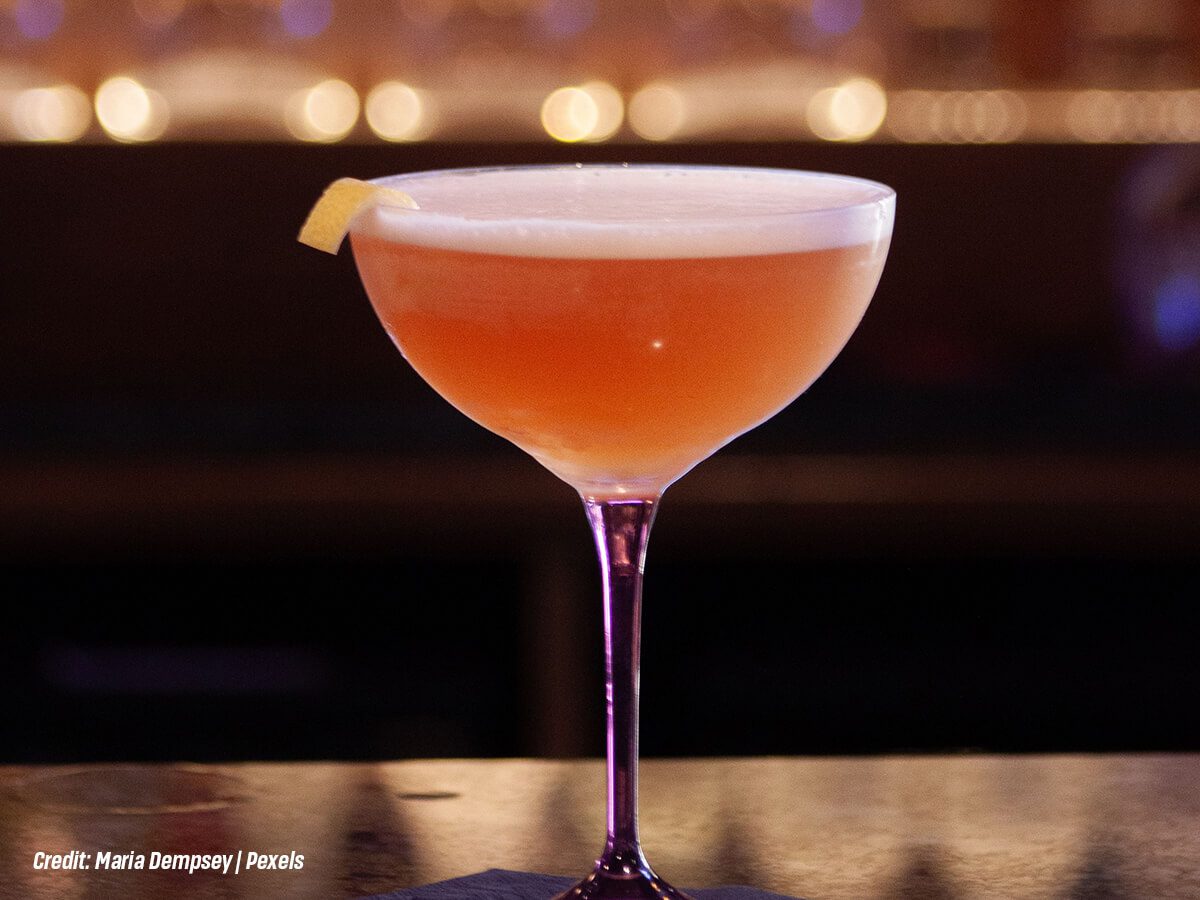
Necessity is the mother of invention, as the old proverb goes. And in a period like Prohibition, bartenders had to get creative to satisfy the tastes of customers. The Bee’s Knees is one such drink from the period, combining gin, lemon juice, and honey syrup to make a sweet, memorable drink for speakeasy patrons. The honey is particularly vital to this cocktail; it coats the palate and smooths over the rough edges of badly made gin in a way that plain sugar syrup never managed, leaving the lemon to cover whatever’s left. The term ‘bee’s knees’ was period slang for something excellent, the name lending itself to the notion that drinkers were fully aware they were making the best of a questionable bottle. The Bee’s Knees survives today as a clear example of a cocktail designed around a problem instead of around a quality spirit.
5. Could You Really Get Whiskey From a Pharmacy?
Surprisingly, it was possible to get whiskey legally from a pharmacy, provided you had the right permits. Federal rules allowed licensed physicians to prescribe distilled spirits for various ailments, and pharmacies filled those prescriptions from bonded pre-Prohibition stock. Patients could walk out with pint bottles labeled for medicinal use, and naturally the medical justification was frequently a formality that everyone involved understood. This channel kept a handful of American whiskey brands alive through the entire era, which is part of why certain labels reappeared intact after repeal while countless others vanished for good.
6. What Was a Needle Beer, and Why Order One?
Prohibition didn’t always mean all spirits were prohibited. Brewers were permitted to produce near beer, a low alcohol product made by stripping alcohol out of finished beer. Customers who wanted the real thing asked for a needle beer, which was near beer spiked with grain alcohol injected through a syringe or simply poured in behind the bar. Strength varied dramatically from one glass to the next, since nobody was measuring. It was cheap, quick to make, and looked like an ordinary beer on the table, which could matter if a raid suddenly burst into the room in the middle of a drinking session.
7. Which Prohibition Cocktails Still Show Up on Menus Today?
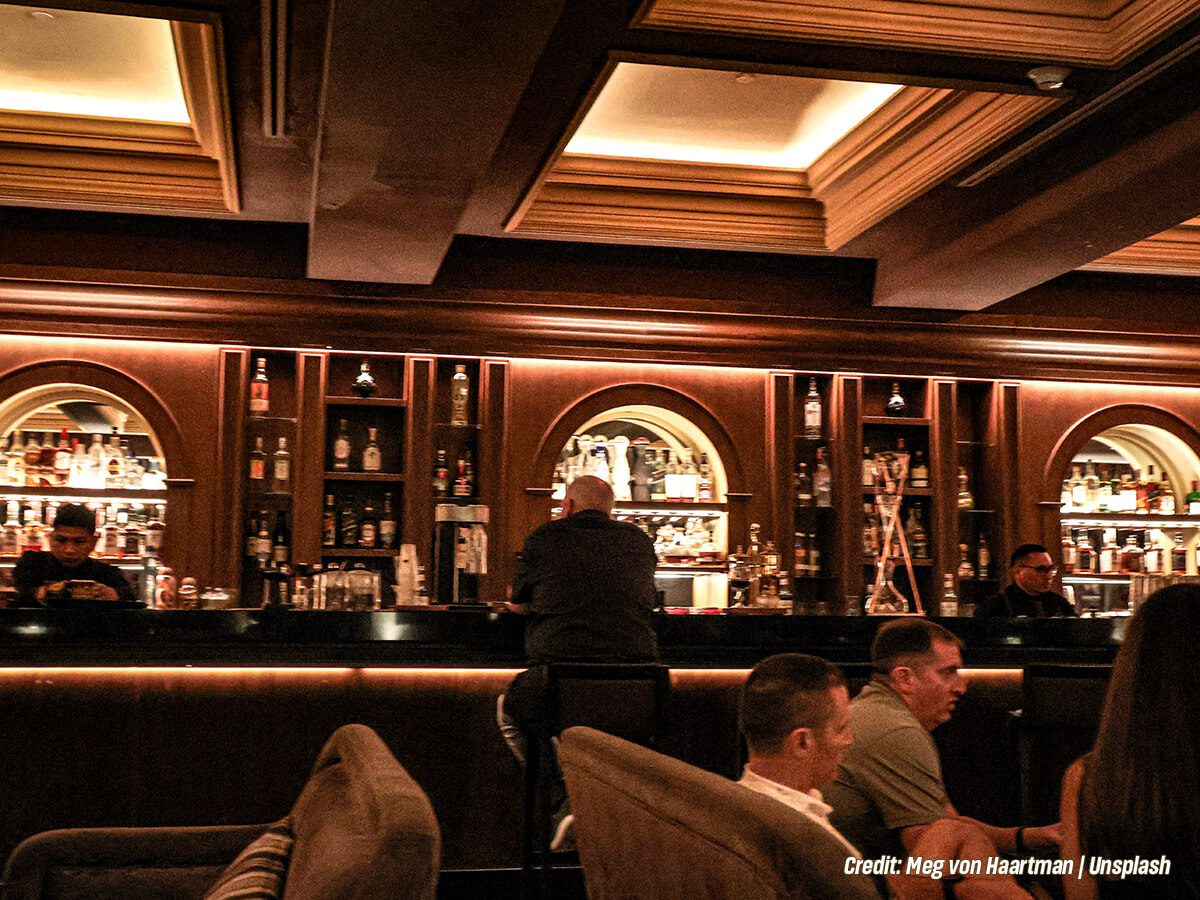
There are a few Prohibition-era cocktails that have lasted the test of time. The Last Word, an equal parts build of gin, green Chartreuse, maraschino liqueur, and lime, dates to the era and returned to wide circulation through Seattle bartender Murray Stenson, who revived it at the Zig Zag Café in the early 2000s. The Sidecar, the French 75, the Mary Pickford, and the Southside are some other examples that belong to the same stretch of years. Ordering one now doesn’t have to be an exercise in nostalgia; rather, picking one of these drinks is living history, its gives the historically-minded patron a direct link to how people actually drank when the law said they couldn’t.
Prohibition drinking was defined by workarounds. Smuggled Canadian whisky, honey masked gin, prescription pints, and spiked near beer, all of these drinks answered the same question in different ways. However, it should be noted that the cocktails that survived did so because they were genuinely good, and not simply because they were clever solutions to a problem. A century later, they still read as some of the sharpest bartending America ever produced. With a little effort, you too can give yourself a Prohibition-themed event and capture some of the flavor of the era for your own celebration.
Taste the era where it belongs. At The Diller Room, we pour classic cocktails in the heart of historic Pioneer Square, in a building that watched Prohibition come and go. Stop in for a Last Word, a Bee’s Knees, or something off the current menu. Give us a call at 206-467-4042 to ask about hours or reservations.
Frequently Asked Questions
When Did Prohibition Start And End In The United States?
National Prohibition began in January 1920 under the Eighteenth Amendment and ended in December 1933 with the Twenty-first Amendment. However, Washington State had already banned the sale of alcohol several years earlier, starting January 1, 1916.
Was Drinking Alcohol Illegal During Prohibition?
No, not drinking alcohol in itself. The law specifically targeted the manufacture, transport, and sale of alcohol rather than consumption itself. Liquor bought legally before the ban took effect could still be served at home, for which reason some forward-thinking households stockpiled bottles in advance.
What Was A Speakeasy?
A speakeasy was an unlicensed bar operating in secret, often behind an unmarked door or tucked inside a legitimate-looking business. The name comes from the habit of speaking quietly about the place to avoid drawing attention from the authorities.
Why Were Cocktails So Popular During Prohibition?
Most available liquor was homemade, unaged, and rough, and cocktails were a way to elevate that liquor and improve the taste and flavor. Citrus, honey, sugar, and liqueurs covered those flaws, so mixed drinks became the practical way to serve what was on hand. A number of those recipes are still bar standards today, allowing patrons to sample the same flavors as drinkers in the days of Prohibition.
Was Bootleg Alcohol Dangerous?
Frequently; stories of what bootleg could do to an unprepared drinker spread for a reason. Unregulated production meant no quality control, and some batches contained methanol or industrial contaminants that caused serious illness or injury. Buyers generally had no reliable way to know what was in the bottle, which could make drinking a hazardous prospect.
