


Key Takeaways
- Preserved materials like original timber, exposed brick, and concealed entrances create a genuine historic atmosphere that modern builds cannot replicate.
- Warm, low-wattage lighting and soft acoustic treatments minimize noise, making the space ideal for private, face-to-face conversation.
- Classic pre-Prohibition cocktail proportions, in-house syrups, and hand-cut ice ensure balanced drinks with proper dilution and temperature.
- Thoughtfully sourced aged spirits served in period-accurate glassware like coupes and crystal tumblers elevate the visual and sensory experience.
- Professional bar staff manage room capacity and group sizes carefully, providing steady, personal service throughout the evening.
A historic bar turns a simple night out into a step back in time. Hidden doors, dim rooms, and classic drinks give these venues a distinct charm that modern lounges rarely match. Every detail matters, from the timber bar tops to the recipes written a century ago. Finding an authentic speakeasy in Seattle means looking for genuine character rather than manufactured nostalgia. The best spots balance real architectural heritage with precise hospitality, creating an environment where visitors can slow down, talk, and enjoy drinks prepared the traditional way.
Independent hospitality venues that focus on heritage preservation and specialized beverage program see consistently higher guest loyalty than standard drinking establishments. Patrons actively seek spaces that feel genuine and separated from the modern rush outside. The elements that follow define what makes an old-world cocktail room truly memorable, outlining the core practices that elevate an ordinary drink into a lasting experience.
Architectural Details and Hidden Entries
1. Preserved timber and original masonry
True heritage bars retain their original structural elements, such as fir floorboards and exposed brick walls. These materials absorb sound naturally and show real age through worn surfaces. Maintaining original architectural features gives the room genuine character that cannot be replicated with modern building materials or faux finishes.
2. Concealed doorways and unmarked façades
Arriving through an alleyway door, a tailor shop frontage, or a plain wooden panel builds immediate anticipation. The entrance should feel like a genuine secret rather than a gimmick. Clear exterior signage is omitted so that patrons feel they have found an exclusive, tucked-away neighborhood hideaway.
3. Subdued, warm-toned lighting schemes
Low-wattage amber bulbs, antique wall sconces, and candlelit tables soften the room and set a relaxed pace. Harsh overhead lights destroy the private, quiet atmosphere required for close conversation. Controlled illumination directs attention to the back bar while keeping individual seating areas intimate and comfortable.
4. Reclaimed furniture and vintage upholstery
Seating should feature heavy leather booths, velvet parlor chairs, and dark oak barstools. These pieces provide physical comfort while reinforcing the historical period of the venue. Worn finishes and period-appropriate textiles prevent the space from feeling sterile, making long visits enjoyable for small groups.
5. Acoustic management for conversation
Historic venues use soft furnishings, heavy curtains, and timber paneling to dampen excessive noise. Background music stays at a level where guests can talk without raising their voices. A well-designed room prevents echo, ensuring the space feels lively without becoming loud or chaotic during peak service.
6. Intimate seating arrangements and private booths
Floor plans prioritize personal space through high-backed booths and separated corners. Instead of open, crowded floor layouts, tables sit tucked along walls and recessed alcoves. This setup allows patrons to speak freely, mirroring the secretive nature of original nineteenth- and twentieth-century drinking establishments.
Classic Mixology and Service Standards
7. Adherence to traditional cocktail proportions
Bartenders measure spirit, sugar, and bitters with precision to honor original pre-Prohibition recipes. Balancing acidity and sweetness ensures spirits remain the central flavor. Avoiding artificial syrups and premixed liquids keeps drinks clean, structured, and consistent with the historical standards established by early twentieth-century cocktail manuals.
8. Hand-cut ice program
Clear, dense ice melts slowly, preventing unwanted dilution in spirit-forward drinks like Old Fashioneds and Manhattans. Carving large cubes or spheres by hand ensures proper temperature control. The visual clarity of dense ice also improves presentation, showing attention to technical detail across the entire cocktail menu.
9. Curated selection of aged spirits
A well-stocked back bar features small-batch ryes, single-barrel bourbons, and classic aperitifs. Staff select bottles based on production quality and historical relevance rather than brand popularity. This thoughtful inventory allows the bar team to offer spirits tailored to individual flavor preferences and classic recipes.
10. Knowledgeable, unpretentious bar staff
Bartenders explain drink histories, spirit profiles, and flavor balances simply without unnecessary jargon. They observe service timing carefully, ensuring water glasses remain full and drinks arrive promptly. Hospitable staff make complex cocktail menus accessible to all patrons while running a steady, highly professional room.
11. Period-accurate glassware selection
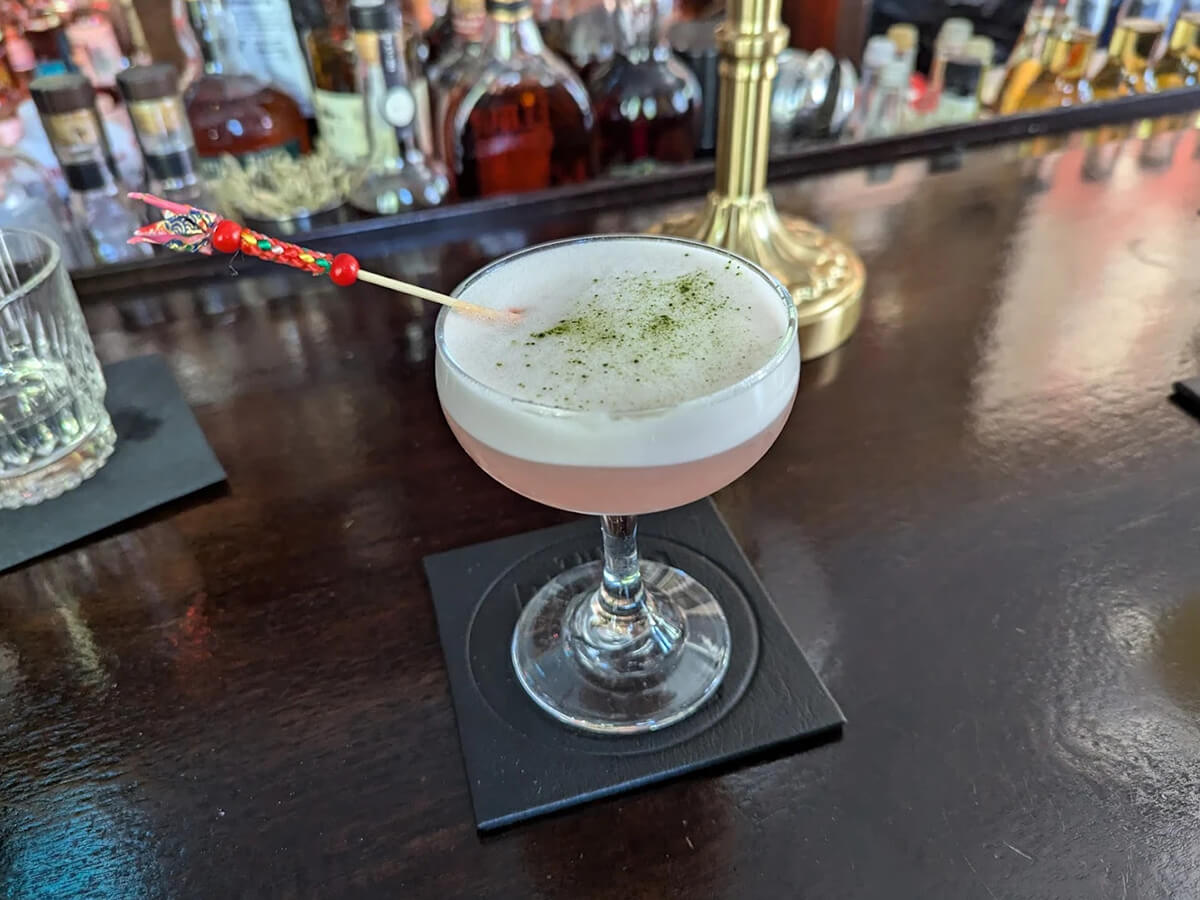
Serving drinks in heavy cut-crystal tumblers, delicate Nick and Nora glasses, and coupe stems enhances the drinking experience. Glassware must suit the specific cocktail, holding temperature properly while concentrating aromas. Authentic glass shapes reinforce the visual heritage of classic hospitality without feeling fragile or awkward to hold.
Atmosphere, Music, and Social Character
12. Curated jazz, blues, and swing playlists
Music selections focus on early acoustic recordings, brass jazz, and slow blues that fit the historical era. Sound levels are calibrated to fill room pauses without interfering with conversation. The music acts as steady background texture, enhancing the vintage mood rather than dominating the entire room.
13. Respect for local neighborhood history
The best venues display authentic photographs, local artefacts, and archival documents from their building’s past. Connecting the room to real city history gives the venue roots. Patrons can observe genuine relics from past decades, grounding their evening in the authentic timeline of the surrounding district.
14. Signature house interpretations of classic drinks
Alongside standard historical recipes, the menu offers subtle, updated variations using local botanical spirits and seasonal produce. These drinks maintain traditional structure while offering unique flavors. Guests receive balanced, inventive beverages that respect past bartending traditions without relying on gimmicky presentation styles or modern additives.
15. Consistent hospitality from door to bar
From the first greeting at the entrance to the final farewell, service remains steady and welcoming. Staff manage room capacity carefully to prevent overcrowding. Ensuring every patron has a seat, and personal attention creates a reliable, high-standard experience that encourages repeat visits throughout the year.
A memorable historic bar relies on authentic architecture, careful drink preparation, and attentive service. From hand-cut ice and balanced spirits to subdued lighting and exposed brickwork, each component works to create a welcoming, timeless retreat. When these details come together, a night out becomes a genuine connection to classic hospitality traditions.
To experience an authentic historic speakeasy in Seattle with real heritage, classic cocktails, and a quiet atmosphere, visit The Diller Room. Call (206) 467-4042 to enquire about seating and private events or stop by the bar to enjoy an evening shaped by traditional cocktail craftsmanship and local history.
