


A glass of bourbon is the same everywhere (at first glance anyway). The drink you pour from the comfort of home is the same drink and the same quantity as one poured from the other side of the bar. Or so you might think. The drink might be the same, but the experience and the atmosphere make all the difference. Dark spirits are slow drinks built on color, aroma, and the time you spend with them; these are drinks you’re meant to savor in an inviting environment, and all three of these essential elements respond to the room around you. Lighting, sound, seating, and even the surface under your glass affect how much of the whiskey you actually register. Here’s a short list of questions to demonstrate just how much a setting affects the sip once you take it.
1. How Does Lighting Shape What You Notice in the Glass?
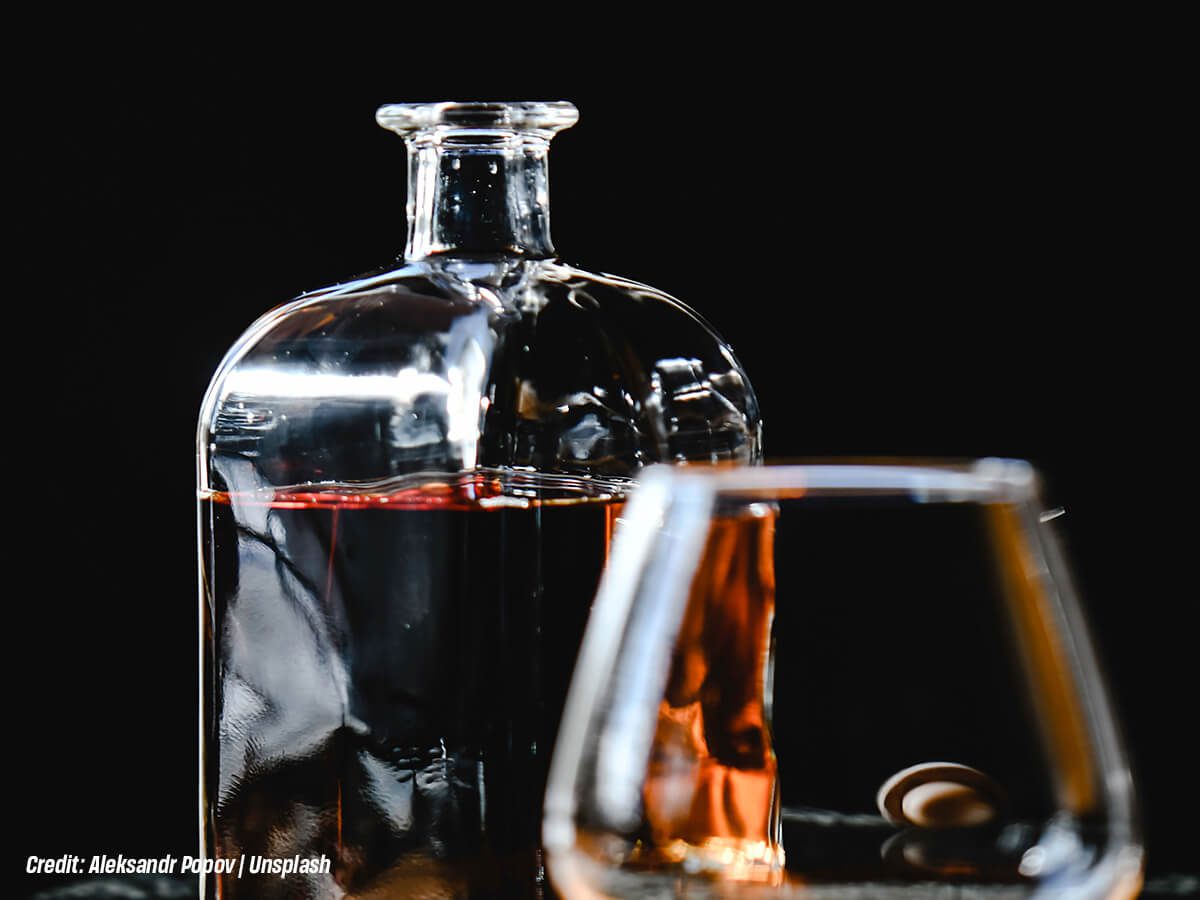
Good food and drink are as much a treat for the eyes as the palate; dark spirits are no different. These drinks are visual before they are anything else, and how the bar’s light interacts with drinks can make an impression before you even take your first sip. A bar’s lighting contributes to a particular atmosphere, and that has implications for your drink’s appearance. Warm, low light pulls amber and mahogany tones forward and makes the liquid look richer against the bar top. Meanwhile, harsh overhead lighting flattens that colour and pushes attention toward the room instead of the pour. Lighting also sets the pace of your attention, and a dim room encourages you to look, swirl, and wait, priming you to savor your drink rather than take it too quickly.
2. Why Does Ambient Noise Change the Way Whiskey Tastes?
How the environment sounds plays a role in your ability to enjoy your drink; your drinking environment will sound different on a normal day compared to enjoying a private event with friends or family. Sound is a competitor for the same attention that tasting requires. In a loud space, you can spend quite a bit of energy following conversation and filtering background noise, which can take up attention needed for detecting the softer notes in an aged spirit. A quieter bar allows subtlety to register: the dry oak on the finish, the faint sweetness underneath the heat. Rooms with soft materials, older wood, and lower ceilings tend to hold sound in a way that keeps the volume conversational.
3. What Does Room Temperature Do to the Aroma?
The flavour of a drink isn’t restricted to its taste; the smell of it is as vital as the taste. Aroma carries most of what people describe as flavour, and aroma is a temperature-sensitive element. A warm room opens a whiskey faster, lifting alcohol vapour and the sweeter esters toward the nose. Meanwhile, a cold room tightens everything and can make the same pour read as closed or muted. The temperature of the space also affects how quickly ice melts in the glass, which changes dilution over the course of a drink and shifts the profile from minute to minute.
4. Can Competing Scents in a Space Interfere with the Nose?
The smells of the environment are competing for attention, particularly if you have a drink with subtle flavors you’re trying to sample. Very often, a bar is full of smells that have nothing to do with your glass. Kitchen output, citrus from the garnish station, cleaning products, and crowded seating all contribute a background layer that your nose has to work through. Well-run rooms manage this by keeping prep contained and ventilation steady, minimizing any interference that might take your attention away from the fragrance of the drink. When you can keep your focus on your drink, the difference between a rye and a bourbon becomes all the more obvious, and easier to enjoy at that.
5. Does the Seating Arrangement Affect How Slowly You Drink?
Pace matters with high-proof spirits, and pace is largely set by furniture. Standing room and high-turnover stools encourage a faster drink and a quicker exit. Whereas a booth or a seat at a proper bar rail invites you to settle in, allowing you to savor your drink, slow consumption, and give the pour time to open up. Seating also determines whether you face the bartender or the crowd, and that choice shapes whether the evening is about the drink or about the room.
6. How Much Does the Bar’s History and Character Contribute?
Context colours perception. Drinking an aged spirit in a room with worn wood, original fixtures, and decades of continuous use reinforces a sense of time and patience that complement the experience of your drink. The right setting can build a connection between the age of the space and the age of the spirit, making the experience more coherent and unified. Seattle’s older neighbourhoods hold several such establishments, and anyone looking for quality Seattle bourbon and artisanal cocktails to sample will find the setting does much of the work building the overall experience.
7. Why Does the Bartender’s Presence Belong to the Setting?
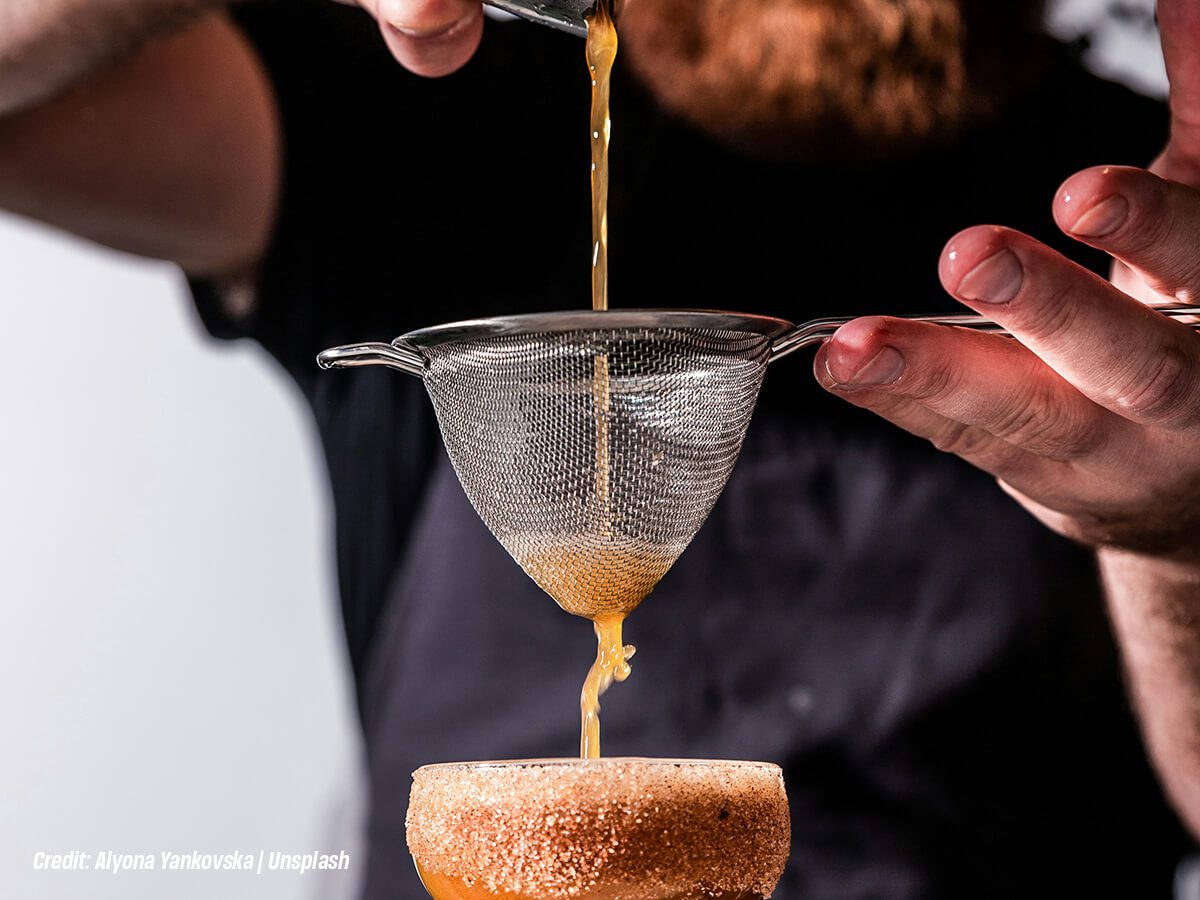
The bartender isn’t separate from the rest of the environment; on the contrary, the bartender is an integral part of the drinking experience. They are the one element of the environment that responds to you and helps build the experience for you; as such, it’s a good idea to know what to say (and what not to say) to a bartender to create the right kind of experience. The bartender asks what you usually drink, and this is an opportunity to let them recommend a bottle you might not have found alone. The bartender also controls glassware, ice format, dilution, and whether a spirit arrives with water on the side, all of which can impact the taste and aroma of your drink to create a more unique experience just for you. The bartender’s attention also signals how the room expects you to drink, whether that means neat and unhurried or built into a cocktail.
Environment isn’t just the background to a good pour, it’s as much a part of the tasting as the drink or accompaniment. Lighting, sound, temperature, scent, seating, character, and service are all vital factors that shape what finally reaches your palate. Choosing your bar and room with the utmost care is one of the simplest ways to get more out of a bottle you already appreciate.
Looking for a room built for slow sipping and a well-stocked back bar? The Diller Room pours classic and contemporary drinks in a historic downtown Seattle setting, with knowledgeable bartenders happy to guide your selection. Stop in for an evening pour or call us at 206-467-4042. We’ll happily answer any questions about hours, seating, and current offerings to set you up for an unforgettable drinking experience.
Frequently Asked Questions
Does A Warm Room Make Whiskey Taste Stronger?
Not necessarily, but it can seem that way. Warmth lifts alcohol vapour toward the nose, which reads as more heat and intensity even though the proof has not changed. A cooler room tends to mute the same pour.
Should I Ask For Water With A Neat Pour?
Yes, and most bartenders expect it. A few drops of room-temperature water can open up a high-proof spirit and soften the alcohol burn, letting the underlying notes come through more clearly.
Is A Quiet Bar Always Better For Tasting?
Not always, but it helps. Lower noise frees up attention for aroma and finish. If you want conversation and atmosphere more than a close analysis of your drink, a livelier room serves that purpose well.
Does Glassware Matter More Than The Room?
Both elements work together. A tapered glass concentrates aroma, but a room full of competing scents or harsh lighting will still limit what you notice. Neither one can compensate fully for the other.
How Long Should A Single Pour Last?
There is no fixed rule, though aged spirits reward patience. Giving a glass twenty minutes or more lets oxidation and slight dilution shift the profile, so the last sip rarely matches the first.
