


Key Takeaways
- Pioneer Square preserves one of the West Coast’s best collections of post-1889 Romanesque Revival brick and stone buildings, including the Pioneer Building and the historic 1909 iron pergola.
- Visitors can walk above pavement glass prisms or take underground tours to view the original buried street level and timber-framed storefronts.
- Sites like Occidental Square and the Klondike Gold Rush National Historical Park showcase the warehouses and outfitters that supplied thousands of miners heading north in 1897.
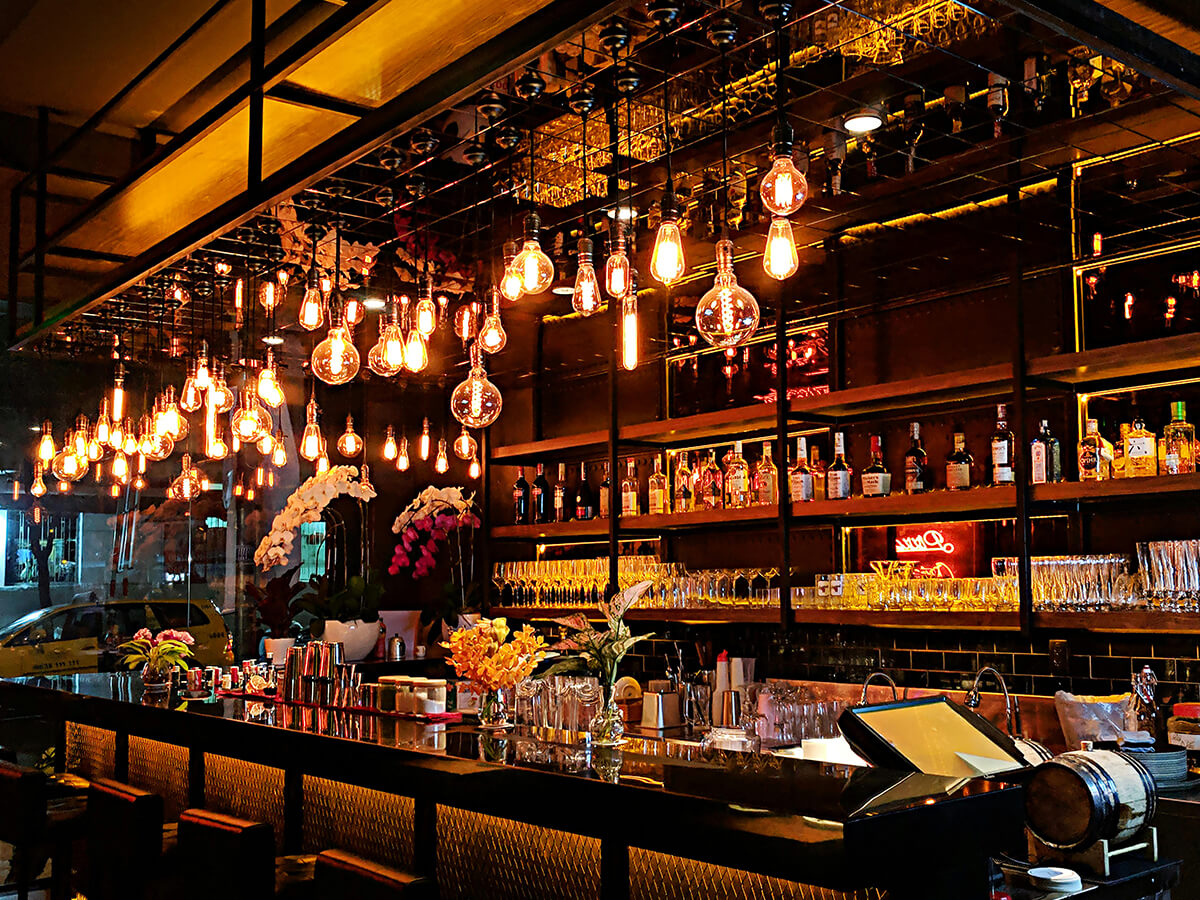
- Heritage bars in the district maintain genuine period details, including pressed-tin ceilings, antique mahogany counters, and classic mosaic penny-tile floors.
- Authentic nightlife spots focus on pre-Prohibition classics, small-batch whiskeys, and bonded spirits that mirror the drinking culture of early Seattle.
Pioneer Square is the historic core of Seattle, established in the nineteenth century and rebuilt from stone and brick after the Great Fire of 1889. Finding an authentic nineteenth-century atmosphere means looking past modern storefronts to spot the iron pergolas, cobblestone pathways, and Romanesque Revival facades. The district holds decades of Pacific Northwest history within its street grid, connecting the Klondike Gold Rush era directly to modern downtown Seattle.
Pioneer Square preserves one of the most intact collections of late-nineteenth-century commercial buildings on the West Coast. Walking through these blocks offers a direct link to the saloons, trade houses, and clandestine watering holes that shaped urban Washington.
Best Spots to See Original Late-Nineteenth-Century Architecture
- First Avenue South brick arcades
Take a slow walk down First Avenue South to view the heavy stone arches and deep-set windows. These Romanesque structures were constructed immediately after the 1889 fire using regional sandstone and imported brick. They show the original scale of Seattle’s earliest commercial business center.
- The 1909 iron pergola on Yesler Way
Stand beneath the ornate cast-iron canopy at the corner of First Avenue and Yesler Way. Originally built as an elegant waiting shelter for the Yesler cable car line, it features vintage iron fretwork and ornamental glass globes that reflect the civic style of the early twentieth century.
- Pioneer Building on First and Norwood
Examine the dark red sandstone and brick exterior of this landmark built by Elmer Fisher in 1892. The building held mining offices during the Klondike Gold Rush and still displays carved stone faces, detailed cornices, and granite corner pillars that define the Victorian commercial era.
- Occidental Square’s brick-paved corridors
Wander the tree-lined pedestrian mall where preserved timber-framed warehouses line the perimeter. These multi-story brick buildings housed wholesale grocers and dry goods suppliers supplying northern miners in 1897. The brick paving keeps modern traffic away, giving the open square a quiet, historic feel.
- The historic Smith Tower façade
Walk up Second Avenue to view the terra-cotta exterior of Seattle’s first skyscraper, completed in 1914. The ground-level bronze details, hand-carved teak accents, and classic street frontage offer a look into early twentieth-century high-rise construction in the Pacific Northwest.
- Grand Central Building arcade
Step inside this restored 1890 brick complex on South Main Street. The interior brick archways and exposed fir beams reveal how Victorian-era department stores and hotels arranged their inner spaces. It provides an unpolished, tactile connection to nineteenth-century masonry and woodwork.
How to Experience Subterranean and Hidden Heritage
- Walk the raised pavement glass prisms
Look downward along the pavements of First Avenue and South Main Street for square glass prisms embedded in the concrete. These purple and clear glass tiles were installed to cast natural daylight into the subterranean walkways and basements when the street level was raised.
- Join a guided underground walking tour
Take a subterranean tour to walk the original street-grade shopfronts buried after the 1889 fire. According to local heritage guides, visitors descend beneath current pavements to see surviving wooden pavements, pioneer storefronts, and early drainage pipes that sit directly under modern Pioneer Square.
- Visit the Klondike Gold Rush National Historical Park
Stop inside the preserved 1890 Cadillac Hotel building on South Jackson Street. The exhibits display authentic equipment, historic photographs, and trade ledgers from the thousands of prospectors who bought their travel supplies in Pioneer Square saloons and outfitters before boarding ships to Alaska.
- Inspect historic alleyways in the historic district
Walk down the narrow passages between First and Second Avenues, such as Nord Alley. These brick-paved service lanes feature original cast-iron fire escapes, weathered masonry, and vintage cargo doorways that maintain their working turn-of-the-century character without modern commercial displays.
- Seek out original speakeasy entrances
Search for subtle alley doors and unmarked basements throughout the district that once hid illegal drinking dens during Washington’s state-wide prohibition starting in 1916. Finding a vintage speakeasy in Seattle requires spotting original exterior stonework and modest entrances that once concealed back-room bars.
- Examine the vintage basement timber footings
Visit public venues that keep their foundation pilings and rough stone walls exposed. The massive Douglas fir beams and hand-cut stone footings demonstrate how builders secured four-story brick structures into tidal marshland during the rapid reconstruction period of the 1890s.
Tips for Enjoying Authentic Vintage Drinks and Nightlife
While the Diller Room sits just north of Pioneer Square, it offers a direct extension of the area’s 19th-century atmosphere. Housed in the 1890 Diller Hotel building, the space preserves original pressed-tin ceilings, exposed brick walls, and historic dark wood details.
Visitors exploring the historic core can easily walk a few blocks north to experience these authentic period surroundings while ordering pre-Prohibition cocktails and small-batch whiskeys.
- Order pre-Prohibition cocktail classics
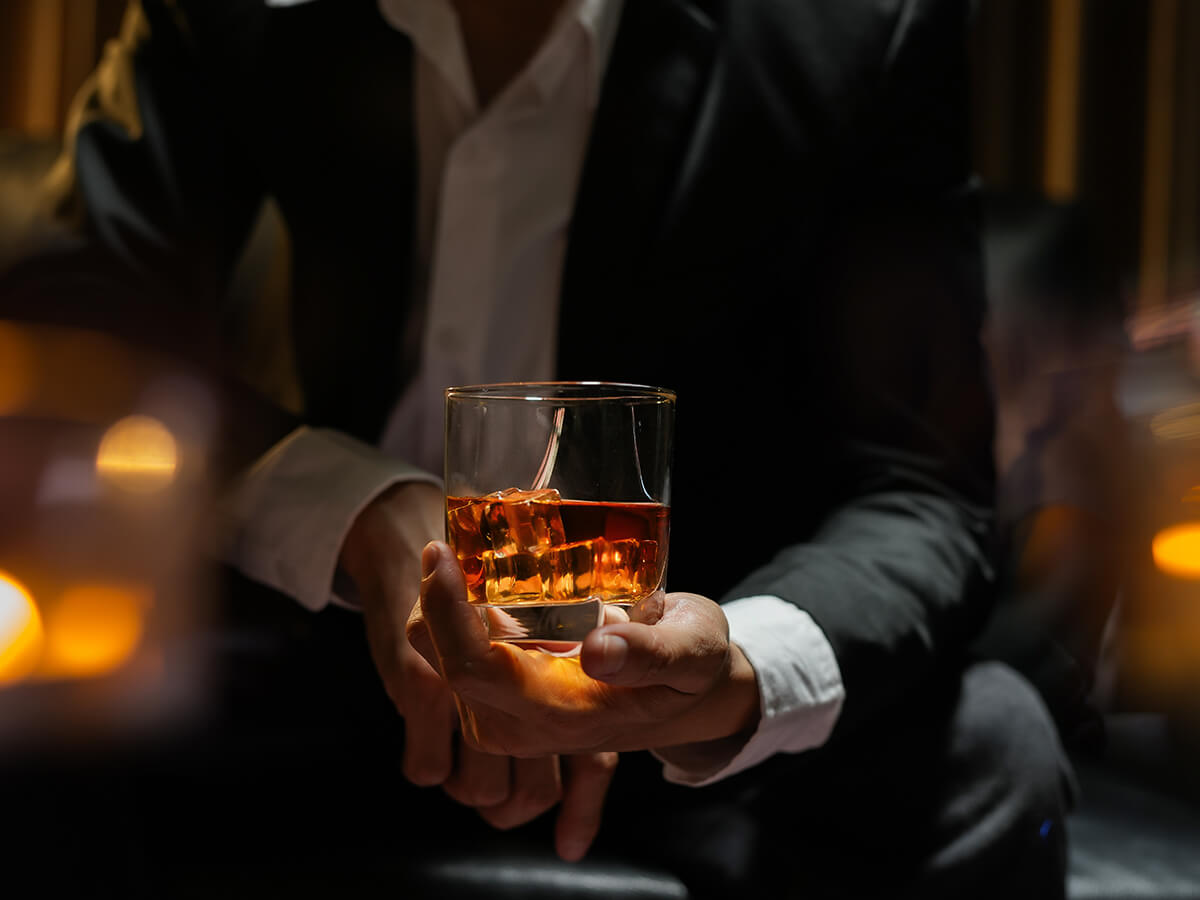
Select drinks made with historical recipes, such as an Old Fashioned, Sazerac, or Manhattan. Bars in the district that focus on heritage traditions use house-made bitters, citrus peels, and bonded American spirits to recreate flavors popular in late-nineteenth-century saloons.
- Choose bars with original pressed-tin ceilings
Spend your evening beneath decorative pressed-tin ceilings and antique mahogany bar tops. These interior metal ceilings were installed in the 1890s as a decorative fire-retardant layer, and sitting under one provides an immediate connection to the golden age of hotel bars.
- Sample rare and small-batch American whiskeys
Request straight rye or single-barrel bourbon from historic regional or national distilleries. The original saloons of Pioneer Square served dark spirits to maritime workers and prospectors, making a classic whiskey pour the most fitting drink for the setting.
- Visit during late afternoon quiet hours
Arrive at historic taverns around four or five in the afternoon before the evening crowds arrive. Sitting at a century-old counter during quiet daylight hours allows you to inspect the historic woodwork, antique mirrors, and vintage tile flooring in peace.
- Ask bartenders about building heritage
Speak with staff at long-standing bars about the specific past uses of their rooms. Many barrooms in the area operated under different identities across decades, from hotel lobbies to clandestine speakeasies and mid-century lounges.
- Look for original penny-tile and mosaic floors
Observe the flooring around classic bar entrances. Original turn-of-the-century venues still feature intricate ceramic penny tile or small hexagonal mosaic stone laid down over a century ago, showing the genuine age and wear of historic downtown establishments.
Pioneer Square remains the cornerstone of historic character in Seattle, combining surviving 19th-century architecture with an authentic pub and lounge culture. Walking its red-brick streets and visiting its underground spaces allows you to experience the city as it existed over a century ago.
To experience this rich heritage in person, visit The Diller Room. Located in the historic 1890 Diller Hotel building, this genuine speakeasy in Seattle serves craft cocktails and rare whiskeys beneath original pressed-tin ceilings and brick walls. Call (206) 467-4042 to plan your visit or reserve a table for your evening downtown.
