


Key Takeaways
- Exceptional spots rely on consistent drink execution, using measured pours and fresh ingredients for every order.
- Staff hospitality and speed dictate customer satisfaction more than interior decoration or novelty gimmicks.
- Proper acoustic management allows patrons to converse easily without competing against ambient noise.
- Strict cleanliness standards in seating areas and restrooms directly reflect overall operational quality.
- Local character, thoughtful draft selection, and reliable safety measures turn first-time visitors into regular guests.
- Clear pricing and efficient point-of-sale systems prevent delays when settling tabs during peak service hours.
Finding a dependable place to spend an evening out can be challenging in a city filled with hundreds of neighborhood lounges, taverns, and cocktail rooms. While an average establishment can serve a decent drink, the best bar in Seattle delivers a seamless visit from the moment guests walk through the door. The difference between an ordinary hangout and a top-tier destination comes down to deliberate operational choices, well-trained staff, and attention to small details that many operators overlook.
Great establishments balance efficiency with hospitality. They manage volume during busy weekend rushes without letting service standards slip, maintain clean rooms, and offer a welcoming environment for both regulars and first-time guests. Examining the specific characteristics that define leading venues helps patrons spot quality quickly and choose the right location for any occasion.
1. Consistent Drink Execution
A top-tier venue trains every bartender to build classic cocktails with exact proportions. Guests receive the same balanced pour regardless of who works the shift.
- Standardized recipes: Staff follow precise house specs using jiggers for accurate measuring.
- Fresh prep: Juices are pressed daily, and syrups are made in-house without artificial additives.
- Proper ice selection: Dense, clear ice is used for spirit-forward drinks to control dilution rates.
2. Attentive and Knowledgeable Hospitality
Quality service starts with prompt recognition. Staff members greet guests quickly, track open orders accurately, and guide visitors through the menu with clear explanations.
- Menu familiarity: Bartenders describe flavor profiles, spirit bases, and local beer styles without hesitation.
- Attentive floor awareness: Empty glasses are cleared promptly, and water glasses remain filled throughout the stay.
- Pacing control: Orders arrive in sequence so groups can enjoy their drinks together.
3. Balanced Acoustic Design
High volume often ruins conversation in poorly designed spaces. Premium venues invest in acoustic dampening materials and set music levels to match the room’s occupancy.
- Strategic soundproofing: Fabric panels, cork underlayment, and soft furnishings absorb excess echo.
- Curated playlists: Music selections support the room’s energy without drowning out guest conversations.
- Zone control: Speakers are balanced across different seating areas so booths remain quieter than the bar counter.
4. Rigorous Cleanliness Standards
According to survey data from the Dining Alliance, clean facilities rank among the top factors influencing customer return rates across the United States hospitality sector. High standards must extend far beyond the front counter.
- Restroom maintenance: Restrooms are checked, restocked, and cleaned on hourly schedules during service.
- Sanitized glassware: Glasses are washed at high temperatures and inspected for spots before pouring.
- Clean workstations: Bartenders wipe down preparation mats, bar rails, and draft taps continuously.
5. Thoughtful Seating and Layout Flow
The arrangement of furniture determines how easily guests and servers move through the room. Well-planned layouts prevent bottlenecks near entryways, restrooms, and ordering stations.
- Spaced walkways: Main aisles remain wide enough for two people to pass without bumping into chairs.
- Diverse seating options: High-top tables, bar stools, and intimate booths accommodate both solo visitors and groups.
- Practical amenities: Sturdy purse hooks and power outlets are installed along the bar rail for convenience.
6. Curated Beverage Menu with Regional Focus
The Brewers Association reports that independent craft breweries account for over a quarter of the total United States beer market by volume. Leading venues reflect regional brewing traditions by featuring local selections alongside classic options.
- Local representation: Draft lists rotate Pacific Northwest beers, regional ciders, and local spirits.
- Balanced options: Menus provide spirit-forward options, refreshing highballs, low-proof choices, and structured non-alcoholic drinks.
- Regular rotation: Seasonal draft lines change frequently to showcase new releases from regional producers.
7. Efficient Payment and Ordering Systems
Long waits to close a tab cause unnecessary frustration at the end of an evening. Elite venues equip their teams with fast point-of-sale hardware to process transactions smoothly.
- Digital tab management: Bartenders pre-authorize payment cards securely to keep tabs organized.
- Itemized receipts: Printed and digital receipts clearly show drink orders, applicable taxes, and tips.
- Fast processing: Contactless card readers at the bar shorten transaction times during last call.
8. Distinct Character and Heritage
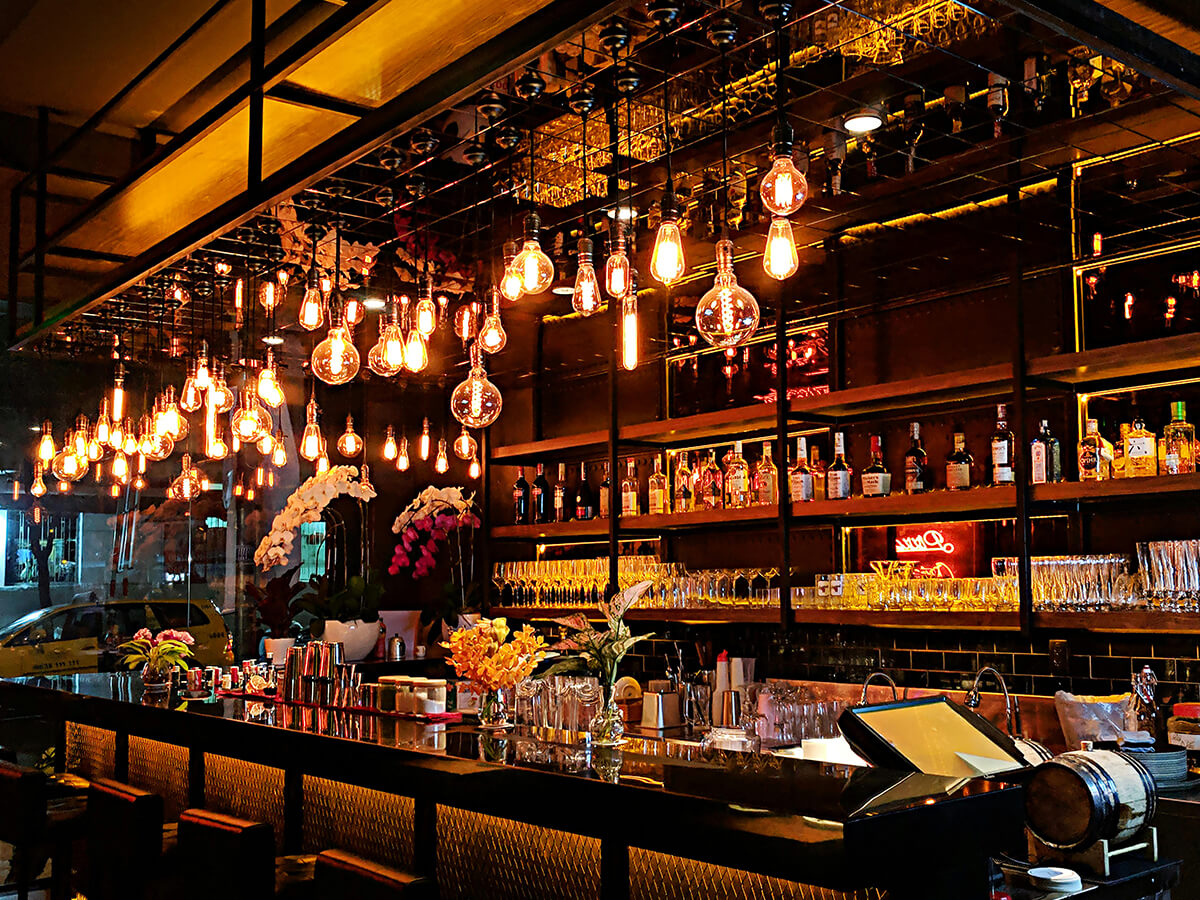
Standout establishments maintain an authentic visual identity that reflects their neighborhood and history. Preserved architectural details, vintage backbars, and warm lighting create an atmosphere that cannot be replicated by modern chains.
- Historic preservation: Original brickwork, restored timber, and vintage fixtures are maintained with care.
- Layered lighting: Dimmable warm bulbs and backbar accent lights replace harsh overhead fluorescent fixtures.
- Comfortable decor: Seating features durable materials like leather and solid wood rather than cheap plastic.
9. Transparent Pricing and Fair Value
Customers appreciate straightforward menus without hidden service fees or unexpected upcharges. Quality bars price their inventory clearly based on pour sizes and ingredient costs.
- Clear menu listings: Spirit prices and specialty cocktail costs are printed directly on the menu.
- Honest pour sizes: Pints and cocktail glasses meet standard liquid volume measurements.
- Fair happy hour programs: Early-evening discounts offer genuine value on house staples rather than leftover stock.
10. Proactive Safety and Crowd Management
A welcoming bar environment requires active supervision. Professional staff identify over-intoxication early and manage the door with calm, professional communication.
- Trained staff: Bartenders and security personnel hold state certifications for responsible beverage service.
- Visible security presence: Door staff check identification thoroughly while maintaining a friendly greeting.
- Safe exit protocols: Staff assist patrons with ride-share coordination when needed at closing time.
Selecting a great spot comes down to recognizing these fundamental standards. When a venue combines fresh ingredients, attentive hospitality, comfortable acoustics, and a clean environment, it creates a welcoming space where guests want to spend time. These operational details separate an ordinary neighborhood tavern from a premier gathering place.
If you are looking for classic cocktails, historic architecture, and genuine hospitality in downtown Seattle, stop by The Diller Room. Call (206) 467-4042 to inquire about hours, table availability, or private event bookings.
